




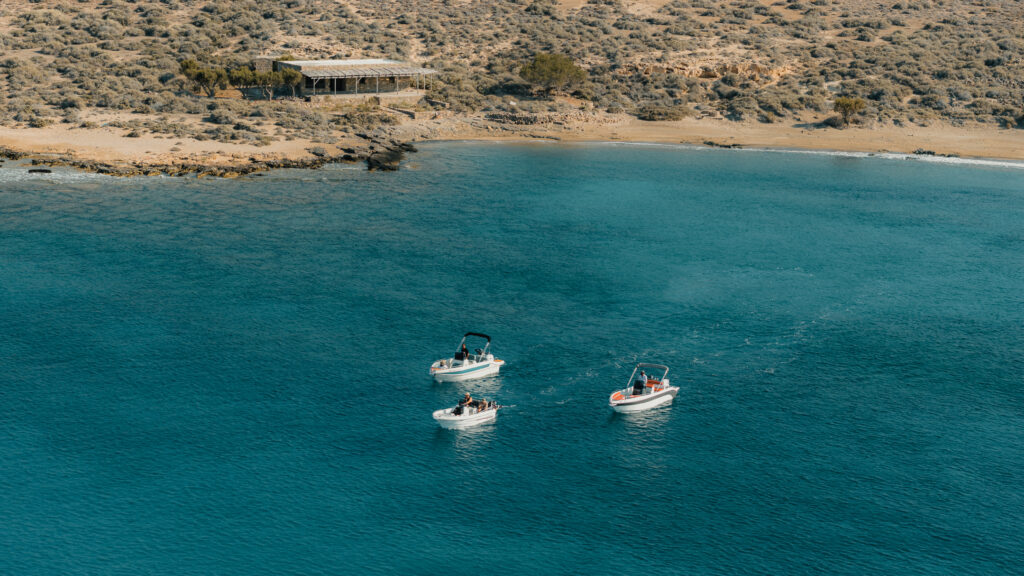
This text focuses on the beaches of Ampelos, which are located in front of the old village of Xerokambos. In the wider area, you’ll also find other beautiful beaches like the Main Beach of Xerokambos, and the beaches of Alona, Alatsolimni, and Amatos.
Just next to the village, on the hill of Pharmakokephalo, are the ruins of the Hellenistic city of Ampelos and the small, picturesque church of Saint Nicholas. Near the church, at the base of Cape Trachilos, begin the beaches of Ampelos — a series of small coves one after another.
The first beach is called Gerontolakkos (or AgiosNikolaos). The name “Gerontolakkos” means “Sacred Hollow” (not “Old Man’s Pit”) and probably comes from a temple that once stood in the ancient city. Next to Gerontolakkos is the unique Argilos Beach, named after its clay soil, which is perfect for a natural spa treatment. A little further to the east lies the beautiful Ampelos (or Chiona) Beach.
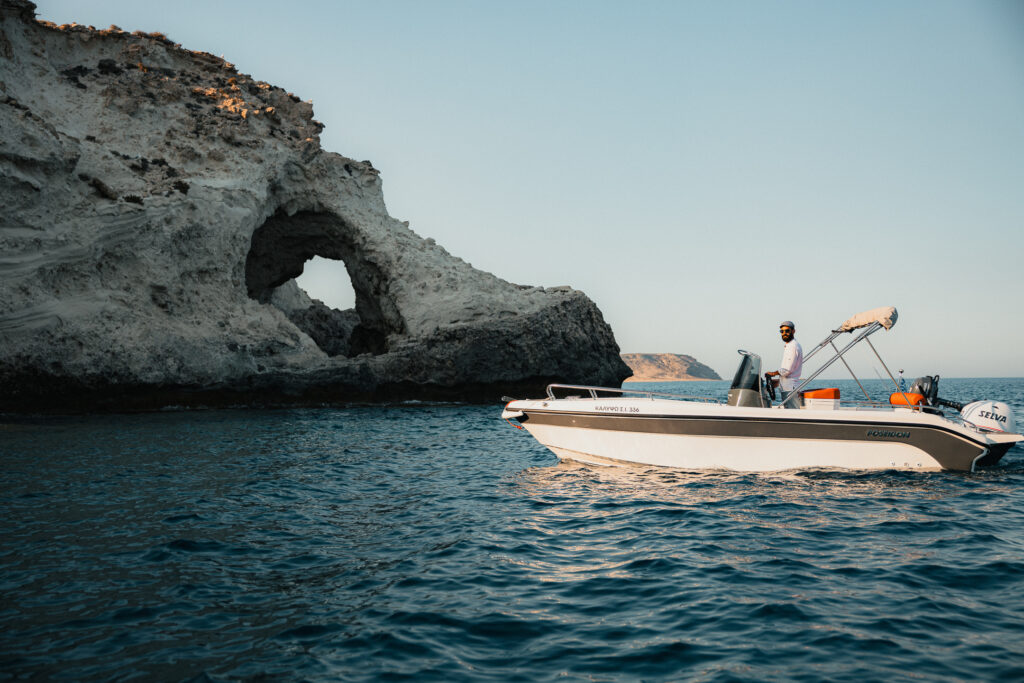
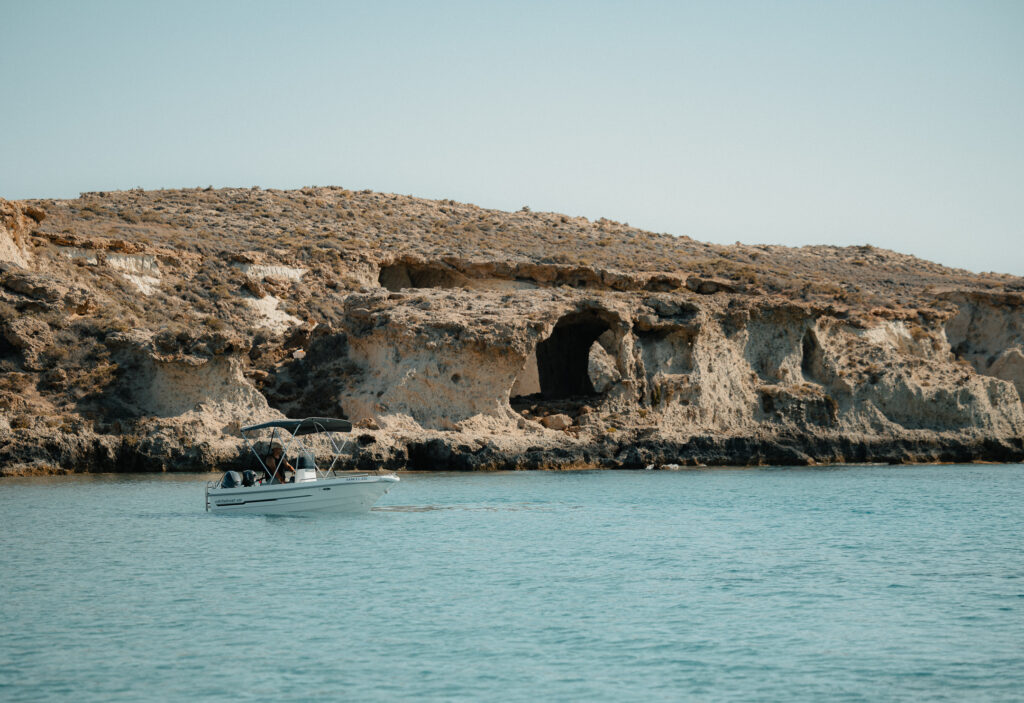
The name “Lefki” (meaning “white”) comes from the bright color of the limestone and soft rocks. The name “Koufonisi” is said to come from the many caves and holes (called "koufes" in Greek) that were shaped by the sea and rain. Today, no one lives on the island, but it is full of ruins that show people lived and worked there from the early Minoan times up to the later Byzantine years. Locals often call it the “Delos of Crete” because of the important ancient sites found there.
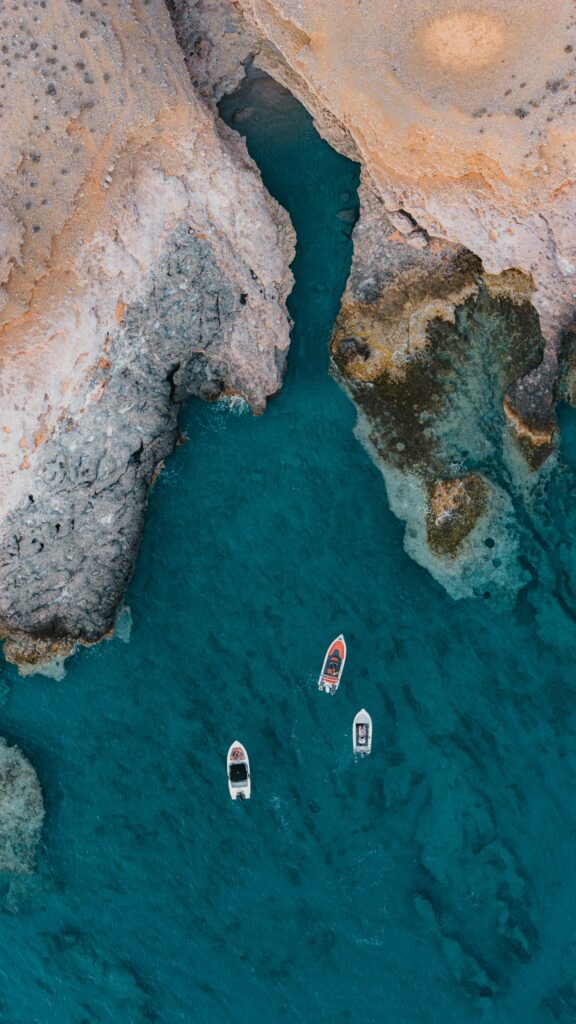
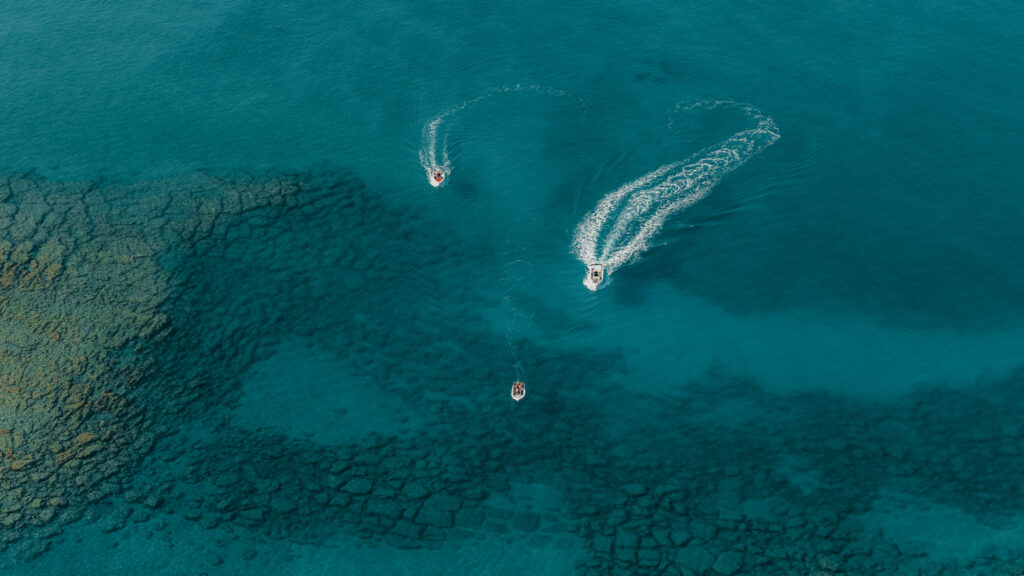
The island has many beautiful sandy beaches. Most of it is covered in fine sand and looks like a desert. Visitors can enjoy the white rocks, the clear blue sea, and the peace of nature. The views change often — from steep rocky shores to caves in the soft white-yellow rocks, and to rolling sand dunes.
On the north side of the island, there is a small, charming church dedicated to Saint Nicholas, the protector of sailors.
TheAncientHistoryofLefki
Koufonisi was an important economic and cultural center from Minoan to Greco-Roman times. It supported the big cities of the region and was known for sponge fishing and the production of purple dye made from the sea snail Murex brandaris.
On the northwest side of the island, near Anemertia beach (across from the small islet Marmaro), archaeologists discovered a very well-preserved stone theater. During the early Byzantine period, the island became a quiet place for monks. These monks carved images of saints and Latin writings in caves on the west coast. One inscription even shows the year 1638.
In recent years, the natural beauty and rich history of the island have been studied and appreciated more. Koufonisi is now seen as a special treasure that should be respected and protected by everyone who visits.